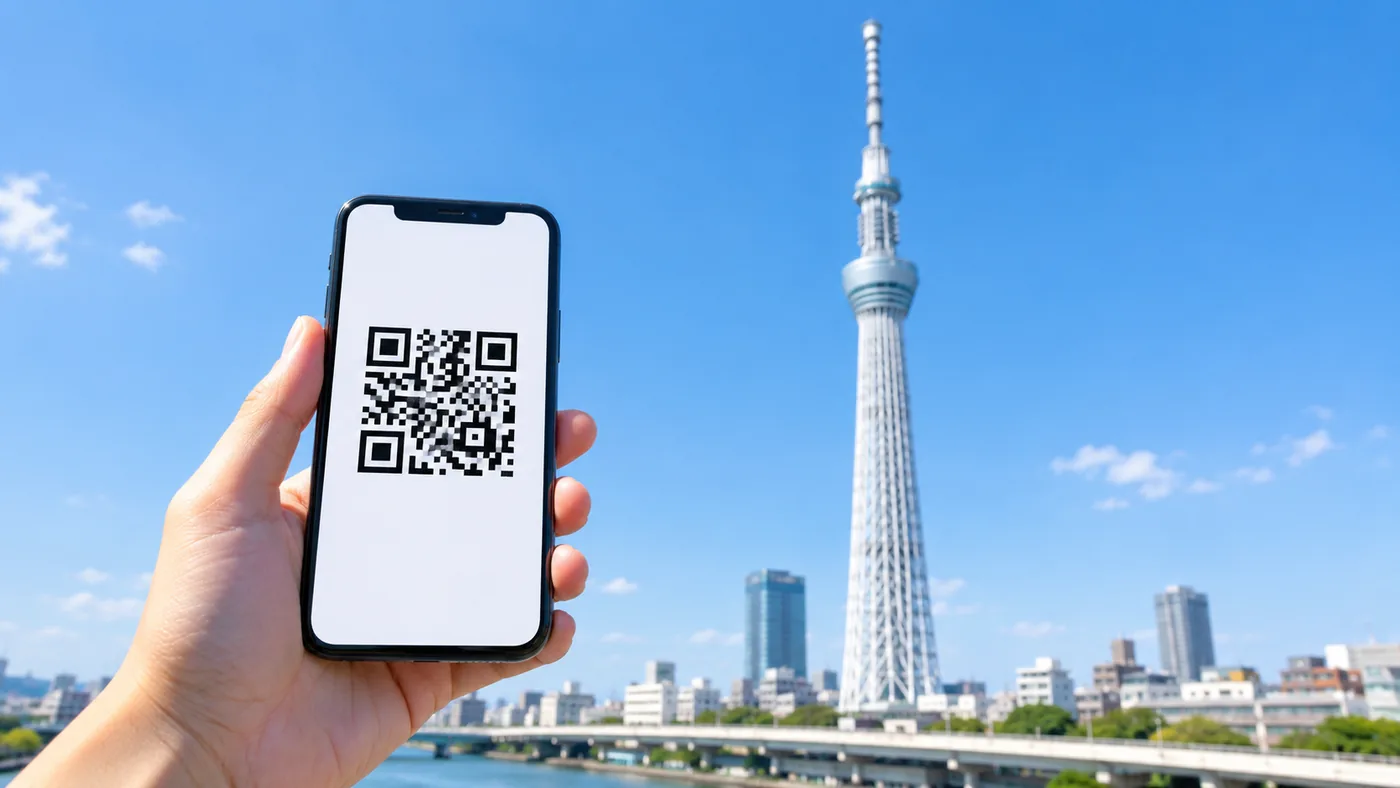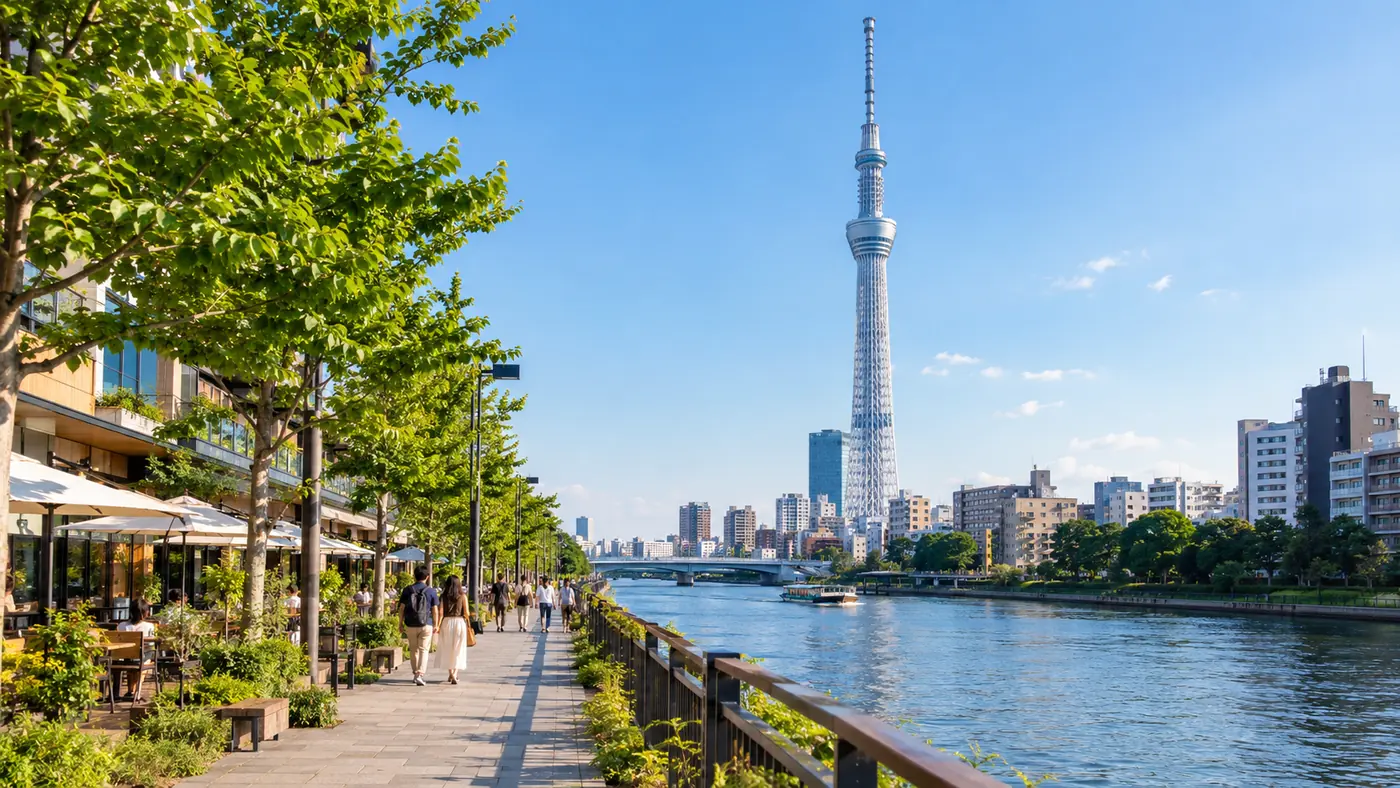
Booking choice: The Skytree deck ticket, ★ 4.5 (15,621). Check dates Compare the options below
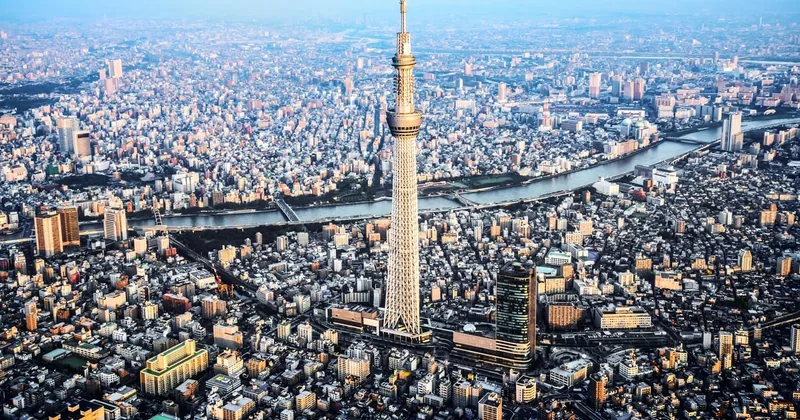
Shibuya Sky sits on the roof of Shibuya Scramble Square, directly above Shibuya Station, and has become one of the most photographed views in Tokyo. Tokyo Skytree, on the east side of the city, is the tallest tower in the world, with decks at 350 m and up to 451.2 m. People who can only fit one into a trip want to know which to choose.
This guide compares them honestly: height and atmosphere, what happens in bad weather, when tickets go on sale, whether to do both, and how they rank against the other observation decks in Tokyo, including one where no ticket is needed. For Skytree's own ticket types, see where to buy Skytree tickets.
The quick answer
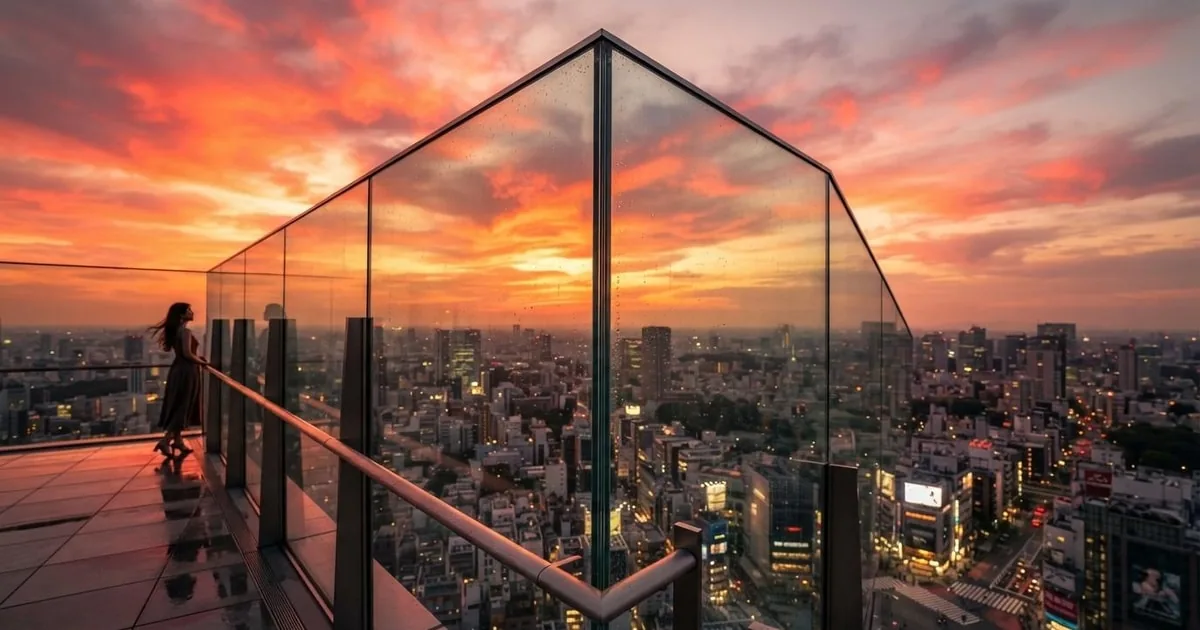
Skytree is the higher view: the Tembo Deck at 350 m and the Tembo Galleria up to 451.2 m look out about 70 km on a clear day, behind glass, so rain does not close it (strong wind can). Shibuya Sky is lower at 229 m but open-air: you stand on a rooftop with glass walls and nothing above you, right over the Scramble Crossing. It is the more atmospheric view of dense, central Tokyo, and the rooftop closes in rain and strong wind. Sunset tickets for both sell out first. If you have to choose, pick Skytree for scale, Mount Fuji and reliability, and Shibuya Sky for the open-air feeling and the city at close range. If you can, do both: Skytree by day or at sunset, Shibuya Sky after dark.
Which is better, Skytree or Shibuya Sky?
Neither wins on everything. Skytree is more than 120 m higher, indoors and less affected by weather; Shibuya Sky is an open-air rooftop at the heart of the busiest part of Tokyo.
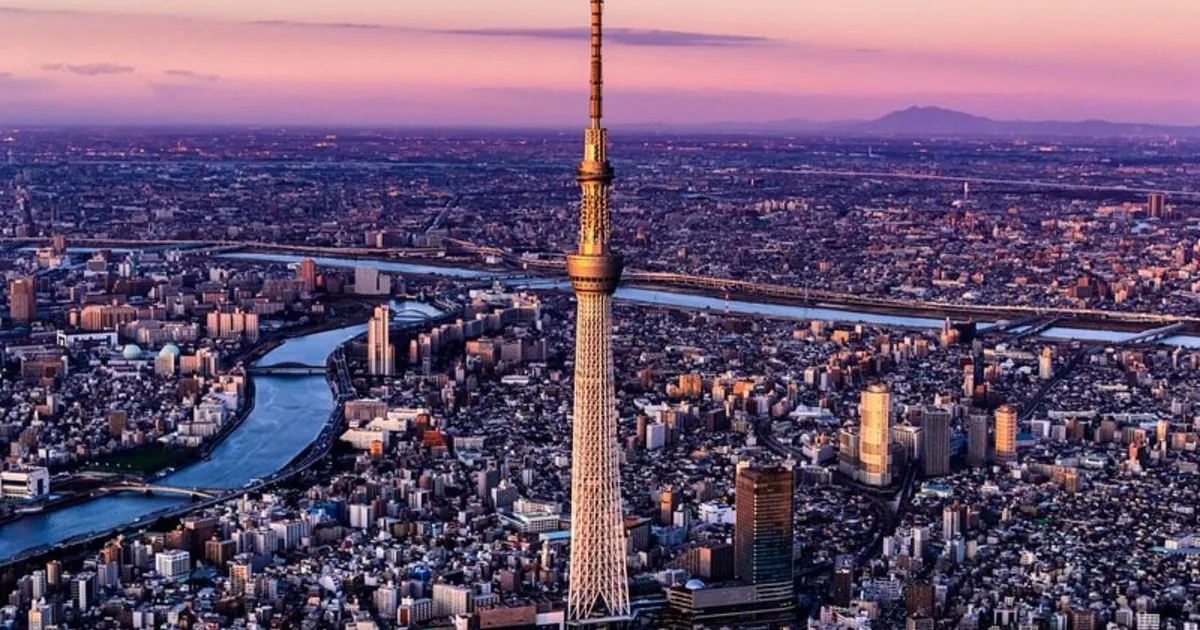
From Skytree the city looks like a map: you see its full size, the rivers, Tokyo Bay and, on clear days, mountains up to about 70 km away. From Shibuya Sky the city feels close: high-rises all around you, the crossing below, trains sliding in and out of Shibuya Station. Skytree has the glass floor and a cafe at 350 m; Shibuya Sky has the sky above your head and the wind in your hair.
| Tokyo Skytree | Shibuya Sky | |
|---|---|---|
| Height | Decks at 350 m and 445 to 451.2 m | Rooftop at 229 m |
| Setting | Fully indoors, glass all round | Open-air rooftop with glass walls, indoor floor below |
| Area | Oshiage, east Tokyo, near Asakusa | Shibuya, above Shibuya Station |
| Bad weather | Open in rain; strong wind can close it | Rooftop closes in rain and strong wind |
| Best for | Scale, distance, Mount Fuji on clear days | Open air, sunset and neon at close range |
| Tickets | Set date and entry time; online costs less than the counter | Timed slots; sunset slots sell out early |
Should I do Shibuya Sky or Skytree?
If you have one evening, do Shibuya Sky for the open-air sunset; if you have one clear day and want the widest view, do Skytree. With three or more days in Tokyo, do both: they show you two different cities.
Doing both is not a repeat. Skytree stands in a low-rise part of east Tokyo, so the view rolls away in every direction. Shibuya Sky stands among towers in the west, so the view is dense and dramatic. A pairing that works well: Skytree in the morning or at sunset, combined with Asakusa, and Shibuya Sky another evening for the lights. For the best Skytree slot, read the best time to visit Skytree.
Skip one if heights make you uneasy on an open roof, or if your trip falls in the rainy season, when Skytree's indoor decks are the safer bet.
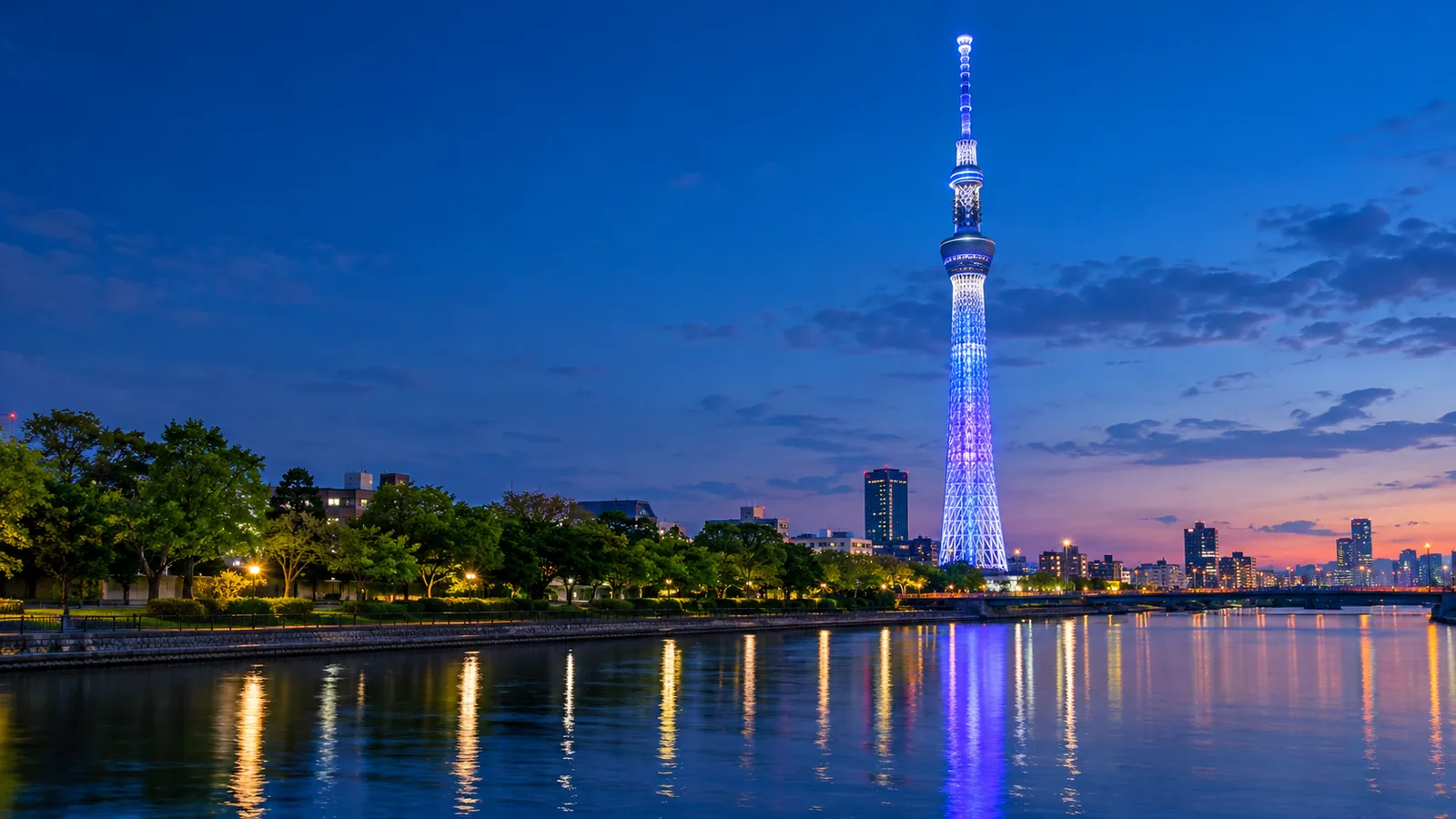
Skytree for the widest view in Tokyo: timed entry to 350 m, with the 450 m Galleria as an option.
Check dates for the Skytree deck ticketIs an open-air rooftop better than an indoor deck?
For atmosphere, often yes: no reflections in your photos and the feeling of standing on top of the city. For comfort and reliability, the indoor decks win: no wind, no cold, no closures in rain.
At Shibuya Sky you usually leave bags and loose items in lockers before going up to the rooftop, so nothing can blow away; phones are fine. Hats and scarves can be a problem on windy days. The glass walls are high, the floor is solid and the rooftop is well supervised, so it feels safe even for people who are careful about heights.
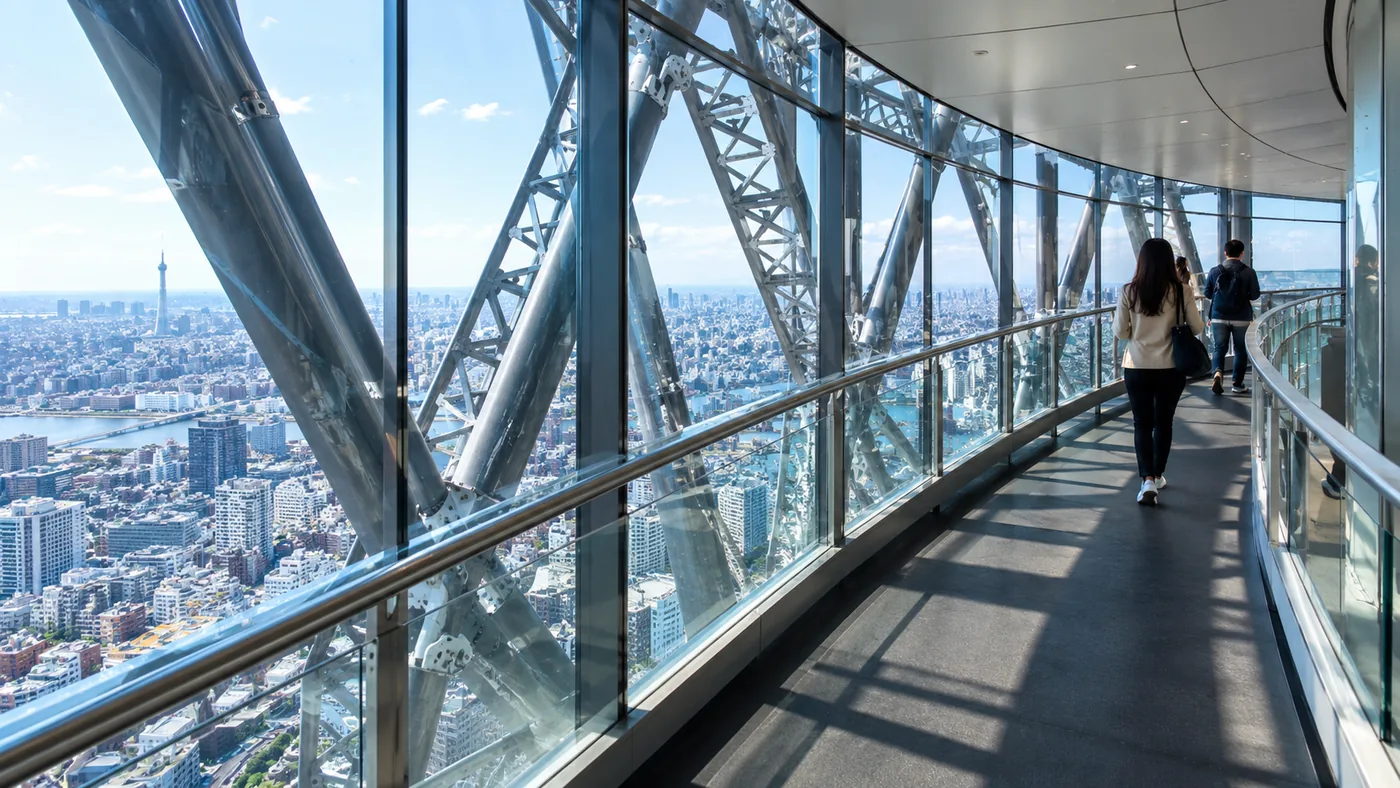
At Skytree you are behind floor-to-ceiling glass at 350 m. Reflections of the lights inside can show at night, so photographers press the lens close to the glass. The decks are fully enclosed and safe, and the tower's pagoda-style central column damps earthquake shaking. The Tembo Galleria, a sloping glass ramp 100 m higher, is the nearest Skytree gets to feeling out in the sky.
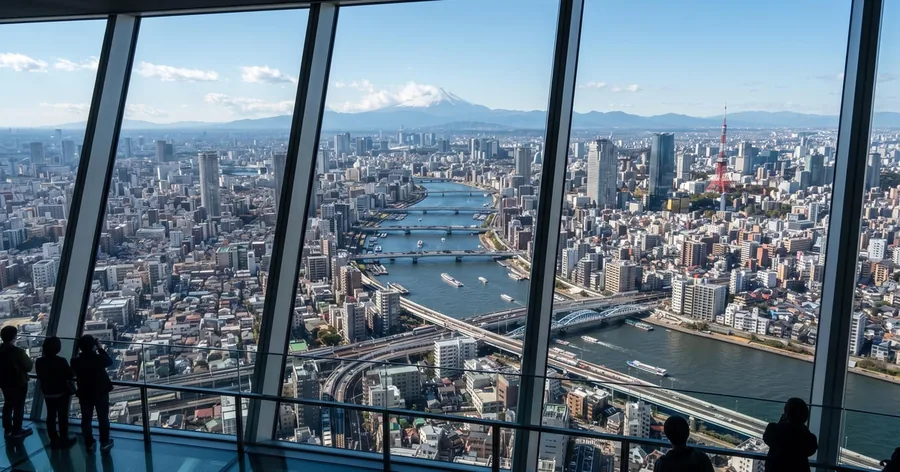
What happens to Skytree and Shibuya Sky in bad weather?
Rain does not close Skytree, but strong wind can stop its elevators and close the decks, as it did for a typhoon on 21 September 2026. Shibuya Sky's rooftop closes in rain and strong wind, and you may only have the indoor floor.
The bigger risk at both is cloud. Low cloud can hide the view completely, and on the official Skytree site poor visibility is not a reason for a refund; tickets there cannot be changed or refunded once bought. That makes refund terms worth reading before you book. The standard Skytree ticket on GetYourGuide refunds in full only if you cancel at least 31 days ahead, while guided options such as the Shibuya Sky night view tour and the guided Skytree tour refund up to 24 hours ahead, which lets you react to the forecast.
If the weather turns, Skytree's indoor decks are the better plan B, and the Solamachi shops and Sumida Aquarium at its foot are dry too; see eating and things to do at Skytree.
When do Skytree and Shibuya Sky tickets go on sale?
Skytree's online tickets are usually released about 30 days ahead. Shibuya Sky's tickets usually go on sale a few weeks ahead. At both, the sunset slots are the first to sell out, especially at weekends.
- Skytree: every ticket is for a set date and entry time, and prices change from day to day, so weekends and holidays usually cost more. Buying at the 4th-floor counter on the day costs more than booking online, and counter sales can stop on busy days.
- Shibuya Sky: timed slots too. Daytime and late-evening slots are often available closer to the day; sunset is the slot to book early.
- Tickets on GetYourGuide: they cost a little more than the official sites on most days, but come with an English checkout, and the tours add a guide.
- Check the forecast: book the sunset slot early, but keep an eye on the weather as the day approaches.
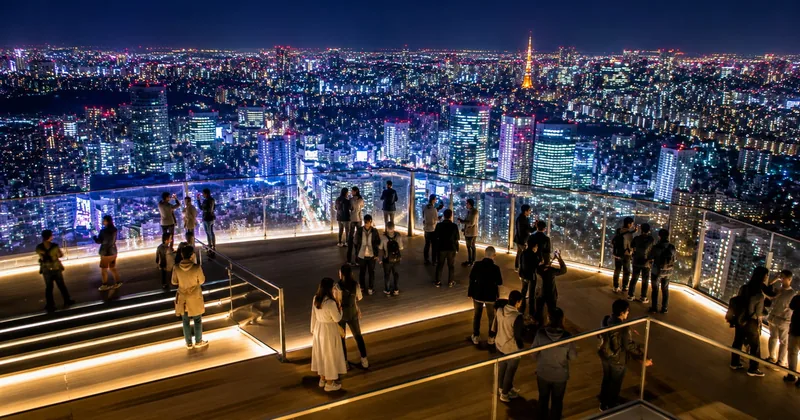
The Shibuya Sky Night View tour includes your Shibuya Sky ticket, about 45 minutes on the rooftop with a guide and then the Scramble Crossing at street level. Two hours in all, rated 4.7 from 158 reviews, with a full refund up to 24 hours ahead.
Explore the Shibuya Sky night tourWhich observation deck is best in Tokyo?
Skytree for height, Shibuya Sky for open air, the Tokyo Metropolitan Government Building if you want no ticket at all, Tokyo Tower for the classic landmark and Roppongi Hills' Tokyo City View for a view with Tokyo Tower in it.
Two changes matter in 2026. The open-air Sky Deck on the roof of Roppongi Hills has been closed to the public since April 2024, so only the indoor Tokyo City View on the 52nd floor is open there. And the new Azabudai Hills towers have no public observatory. The full comparison with Tokyo Tower is in Tokyo Tower or Skytree.
| Deck | Height | Type | Ticket | Best for |
|---|---|---|---|---|
| Tokyo Skytree | 350 m and up to 451.2 m | Indoor | Timed ticket | Height, distance, Mount Fuji |
| Shibuya Sky | 229 m | Open-air rooftop | Timed ticket | Sunset and night in the open air |
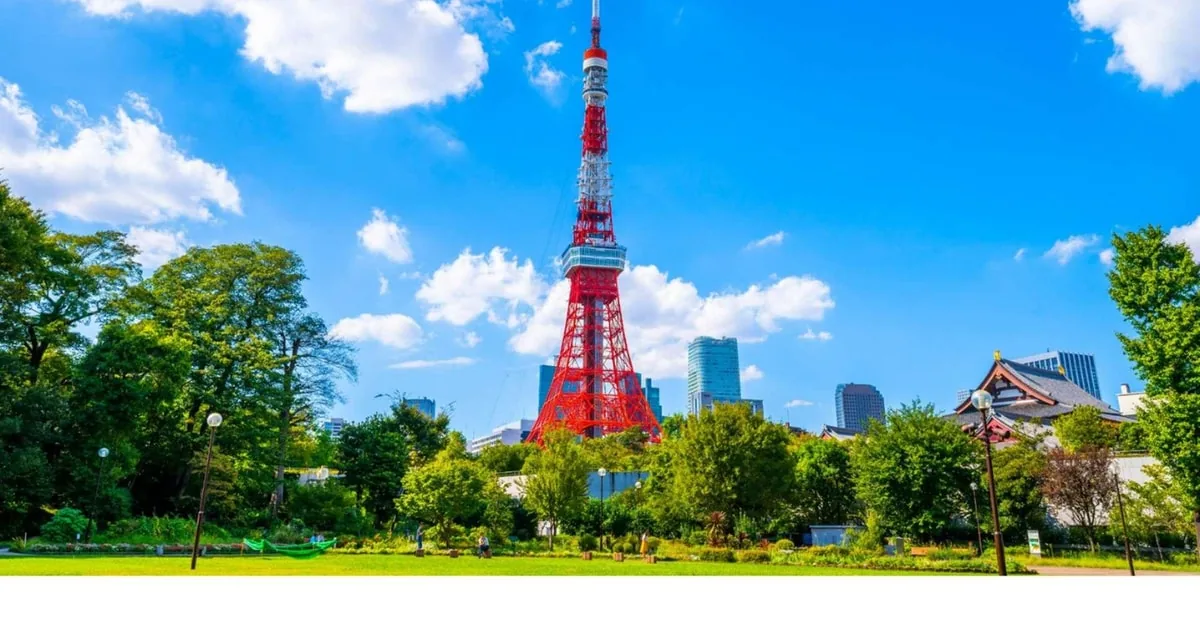
| Tokyo Tower | 150 m and 250 m | Indoor | Ticket | The classic landmark, central Tokyo |
| Roppongi Hills Tokyo City View | 52nd floor, about 250 m above sea level | Indoor | Ticket | Tokyo Tower in the view |
| Tokyo Metropolitan Government Building | 202 m | Indoor | No ticket needed | A quick view in Shinjuku |
Is there an observation deck in Tokyo with no ticket needed?
Yes: the Tokyo Metropolitan Government Building in Shinjuku has observation rooms at 202 m where no ticket is needed. At Skytree, the restaurant floors 30 and 31 of Tokyo Solamachi also give a high view with no ticket.
The Metropolitan Government Building has two decks. One stays open into the evening; each closes on set days every month, so check the opening days before you go, and expect a bag check and a queue for the elevator at busy times. The view is good but lower than Skytree, and it is indoors.
At the foot of Skytree, the Solamachi restaurants on the 30th and 31st floors sit at about 150 m, with no Skytree ticket needed, though you will want to eat or drink there. The Solamachi guide has the details.
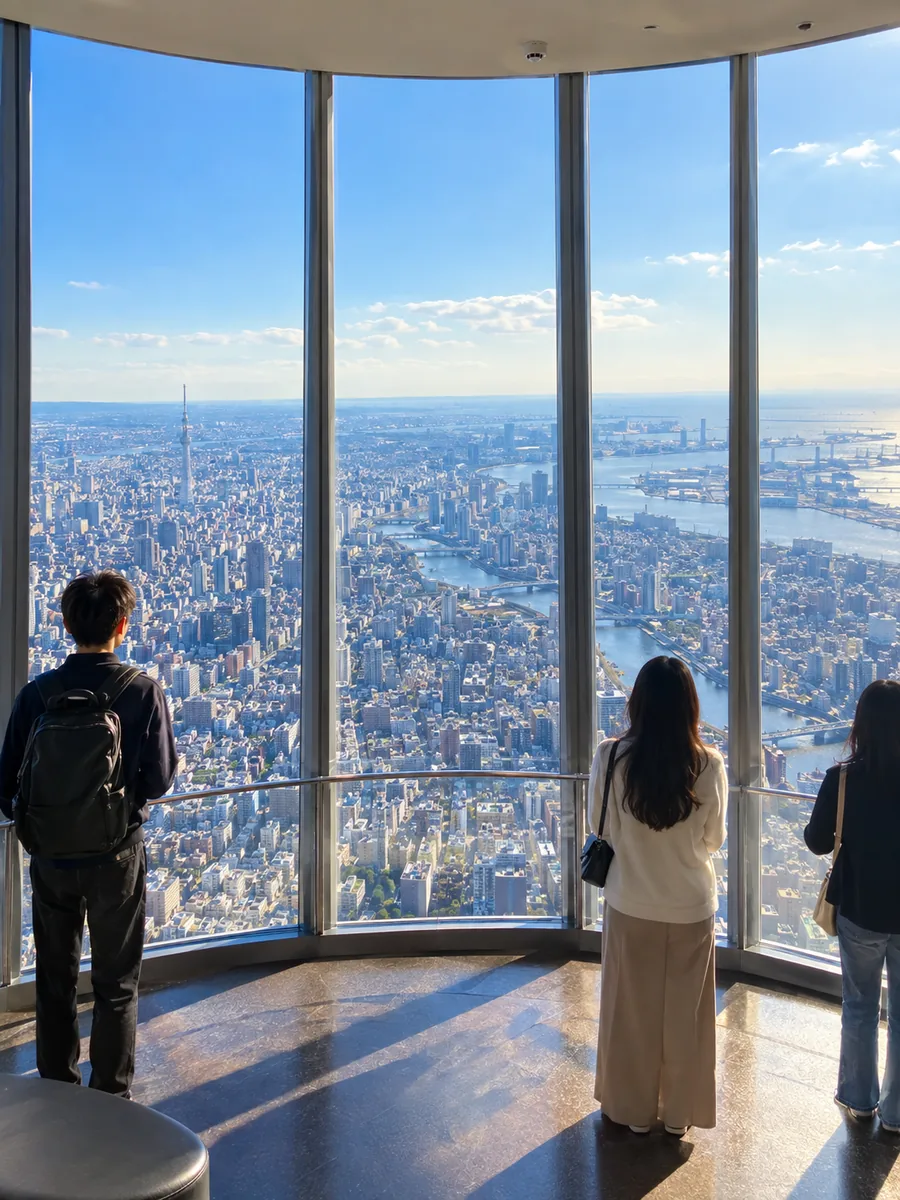
Tokyo City View has Tokyo Tower right in the view from its indoor 52nd-floor deck. The ticket is non-refundable.
Check dates for the Tokyo City View ticketWhich Shibuya Sky tour is worth booking?
If you want a guide and the ticket sorted, the Shibuya Sky Night View tour includes the ticket and about 45 minutes on the rooftop. The Hachiko and crossing tour suits a daytime walk, with the Shibuya Sky ticket depending on the plan you choose.
The Shibuya Crossing, Hachiko and Shibuya Sky guided tour starts at the Hachiko statue and runs 2 hours, rated 4.7 from 90 reviews, with a full refund up to 24 hours ahead. Read the plan options carefully: only some include the rooftop ticket. For Skytree, the most booked choice is the standard timed ticket; if you prefer a guide there too, the guided tour with both decks has only a handful of reviews so far, all five stars.
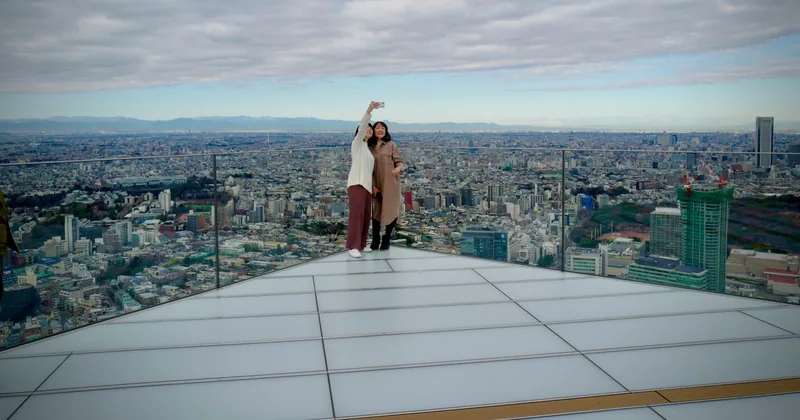
Meet at Hachiko, cross the Scramble Crossing with a guide and head up to Shibuya Sky's rooftop, if your plan includes the ticket. Two hours, rated 4.7 from 90 reviews, full refund up to 24 hours ahead.
Explore the Shibuya Sky guided tourFrequently asked questions
Is Shibuya Sky higher than Tokyo Skytree?
No. Shibuya Sky's rooftop is at 229 m; Skytree's Tembo Deck is at 350 m and the Tembo Galleria reaches 451.2 m. Shibuya Sky feels high because it is open-air.
Can you see Mount Fuji from Shibuya Sky?
On very clear days, yes, to the west, as from Skytree. It is never guaranteed, and the chance is highest in the cold, dry months from December to February.
Is Shibuya Sky open when it rains?
The rooftop closes in rain and strong wind, and you may only be able to use the indoor floor. Skytree stays open in rain, although strong wind can close it too.
How long do you need at Shibuya Sky and Skytree?
About 45 minutes to 1 hour at Shibuya Sky. At Skytree, about 1 hour for the Tembo Deck and 1 to 1.5 hours with the Tembo Galleria.
Ready to book
Choose your ticket
Check your date and the live price on GetYourGuide; the refund terms are shown on each option.
Tokyo Skytree Observation Deck Ticket
- Timed entry to the Tembo Deck (350 m) and its glass floor
- The Tembo Galleria (450 m) if you choose that option
- Night option: one drink at SKYTREE CAFE 350; morning option: a soft drink and a snack
Shibuya Sky Night View Tour
Shibuya Sky ticket included, about 45 minutes on the rooftop, then the crossing
Shibuya Crossing & Shibuya Sky Guided Tour
Hachiko, the crossing and the rooftop deck with a guide