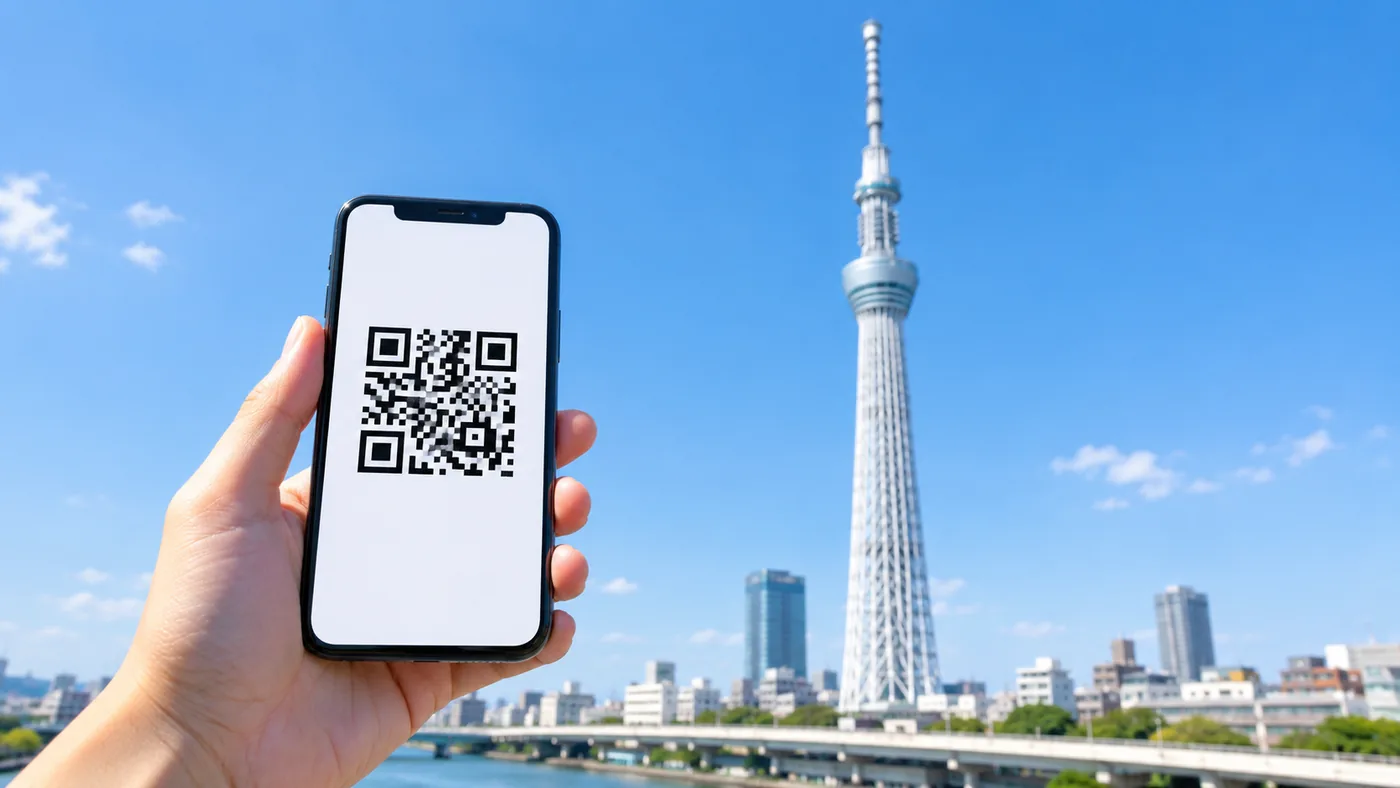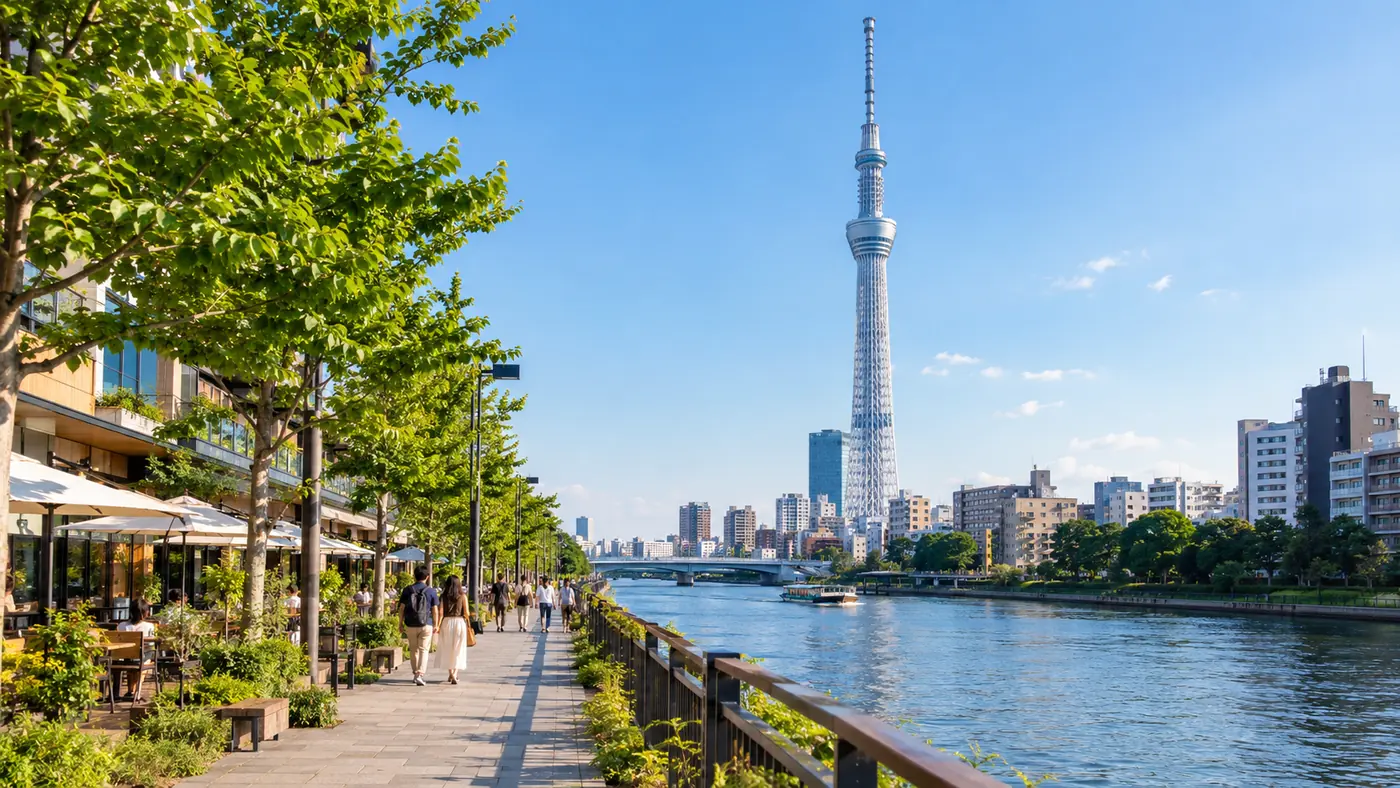
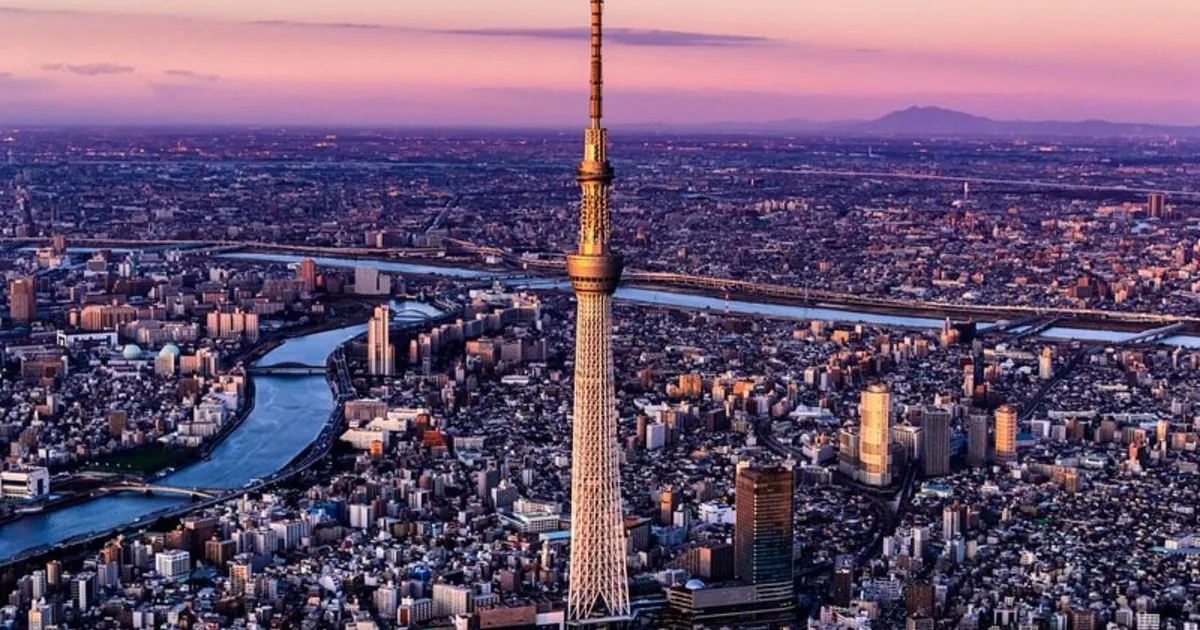
Booking choice: The Skytree deck ticket, ★ 4.5 (15,621). Check dates Compare the options below
Since April 2026 every Skytree ticket is for a set date and entry time, so choosing when to go is part of buying the ticket, not something you decide on the day. The price also changes from day to day with demand: the busiest days tend to cost more and their best slots sell out first.
This guide covers the best hour, day against night, the sunset slot, Mount Fuji, crowds, the best and lowest-priced times of year, and what wind and rain mean for your visit. Which ticket to buy is in where to buy Skytree tickets.
The quick answer
Aim for a clear day and a slot 30 to 60 minutes before sunset, which gives you daylight, dusk and the night lights in one visit; there is no time limit once you are up. For the best chance of Mount Fuji, about 100 km to the west-southwest, go early in the morning in the cold, dry months from December to February; it is never guaranteed. Weekday mornings are the quietest times and often the lower-priced days; weekends, holidays, New Year, spring break and Golden Week are the busiest. The decks are indoors, so rain alone does not spoil a visit, but low cloud can hide the view and is not a reason for a refund, and strong wind can close the decks at short notice.
What's the best time to go to Tokyo Skytree?
On a clear day, either at opening time for the crispest air and the fewest people, or 30 to 60 minutes before sunset for the most complete view. The weather matters more than the hour.
- Opening time: 10:00 on weekdays, 9:00 at weekends and on holidays. Quieter, often clearer, and your best chance of Mount Fuji.
- Midday: good for distance on crisp winter days; in summer the haze builds as the day warms up.
- Before sunset: the most popular slot and the first to sell out.
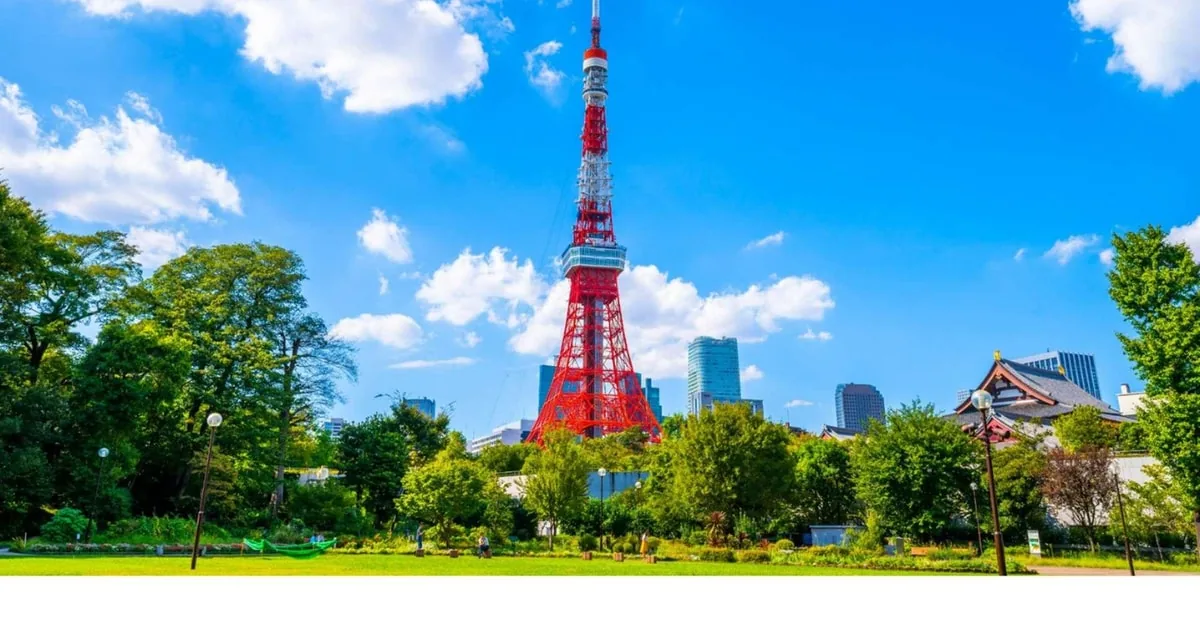
- After dark: the city lights, with Tokyo Tower lit in the distance. Last entry is at 21:00, an hour before closing.
Hours can change on special days, so check the official information for your date, and look at the forecast before you book.
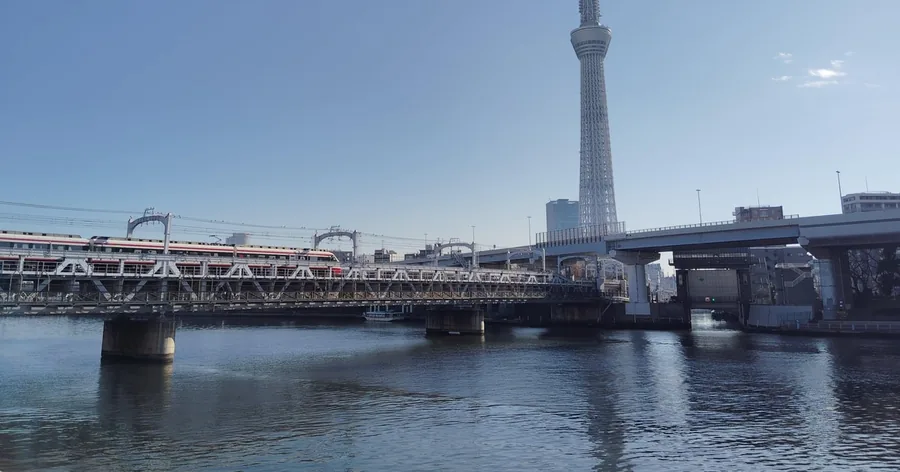
Is Tokyo Skytree better to visit during the day or at night?
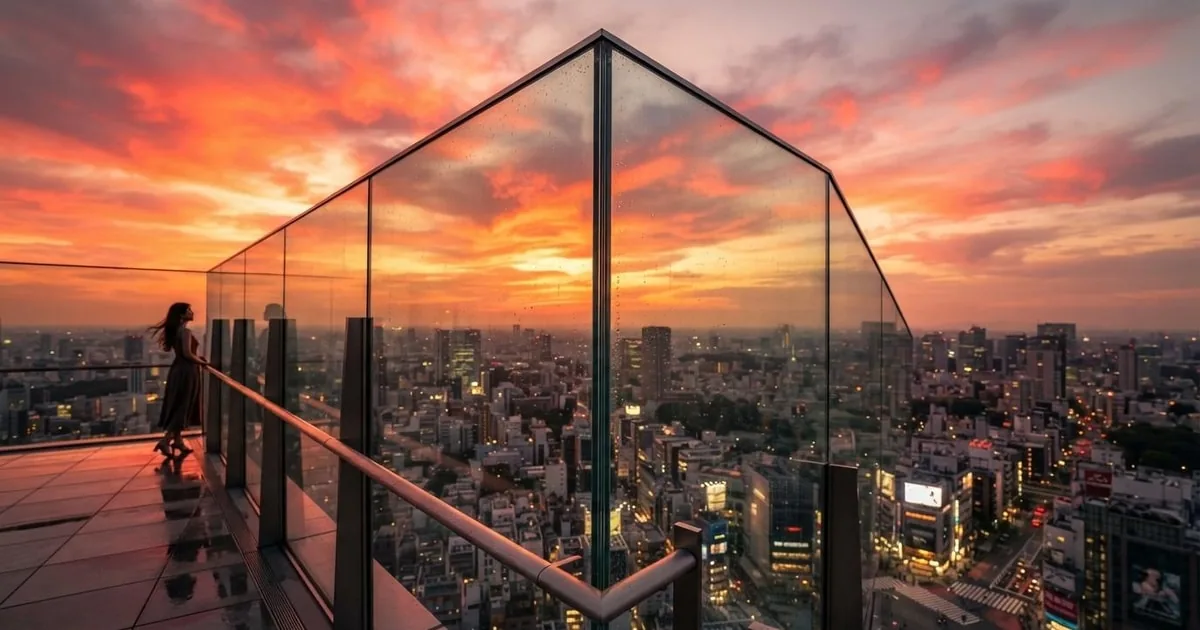
Day for distance and Mount Fuji, night for the lights. If you can only go once, choose a slot just before sunset and you get both.
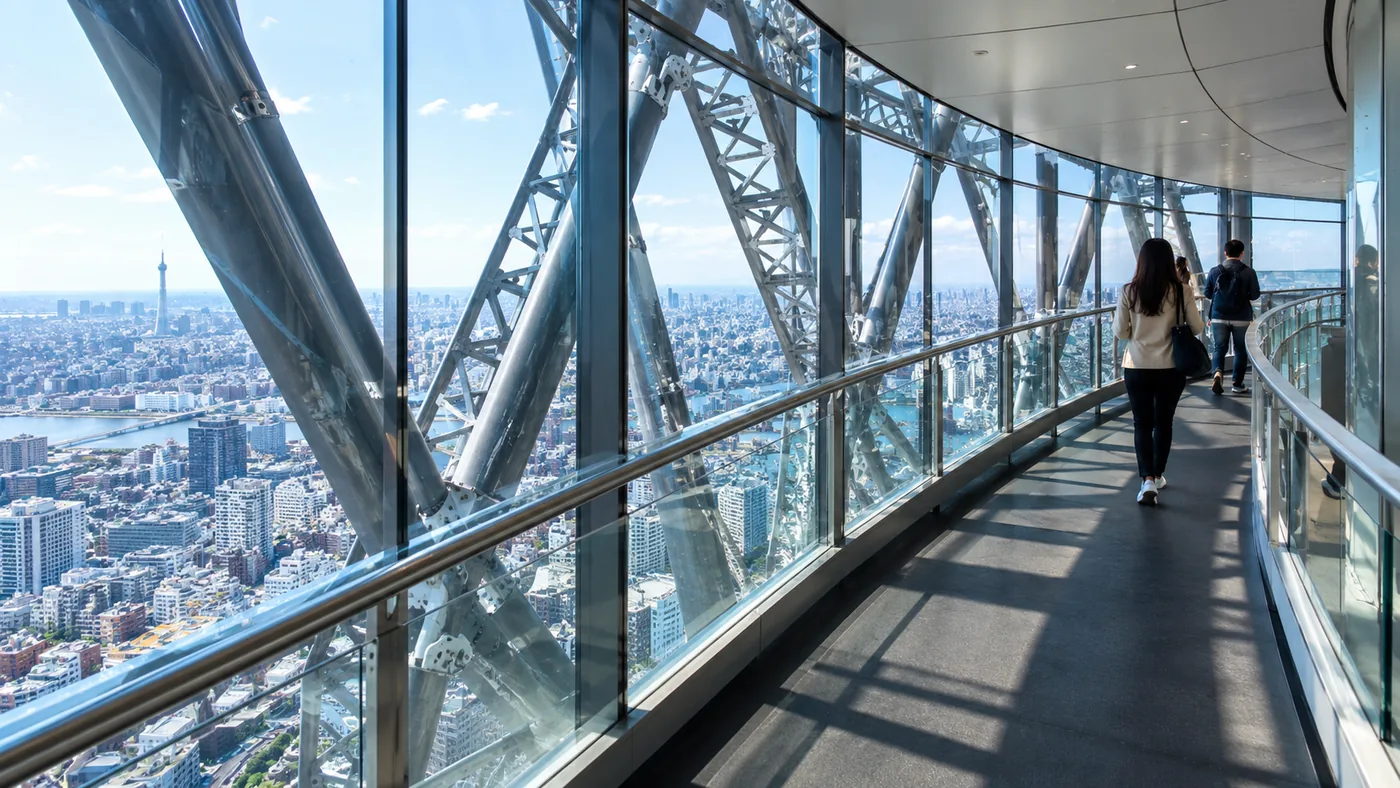
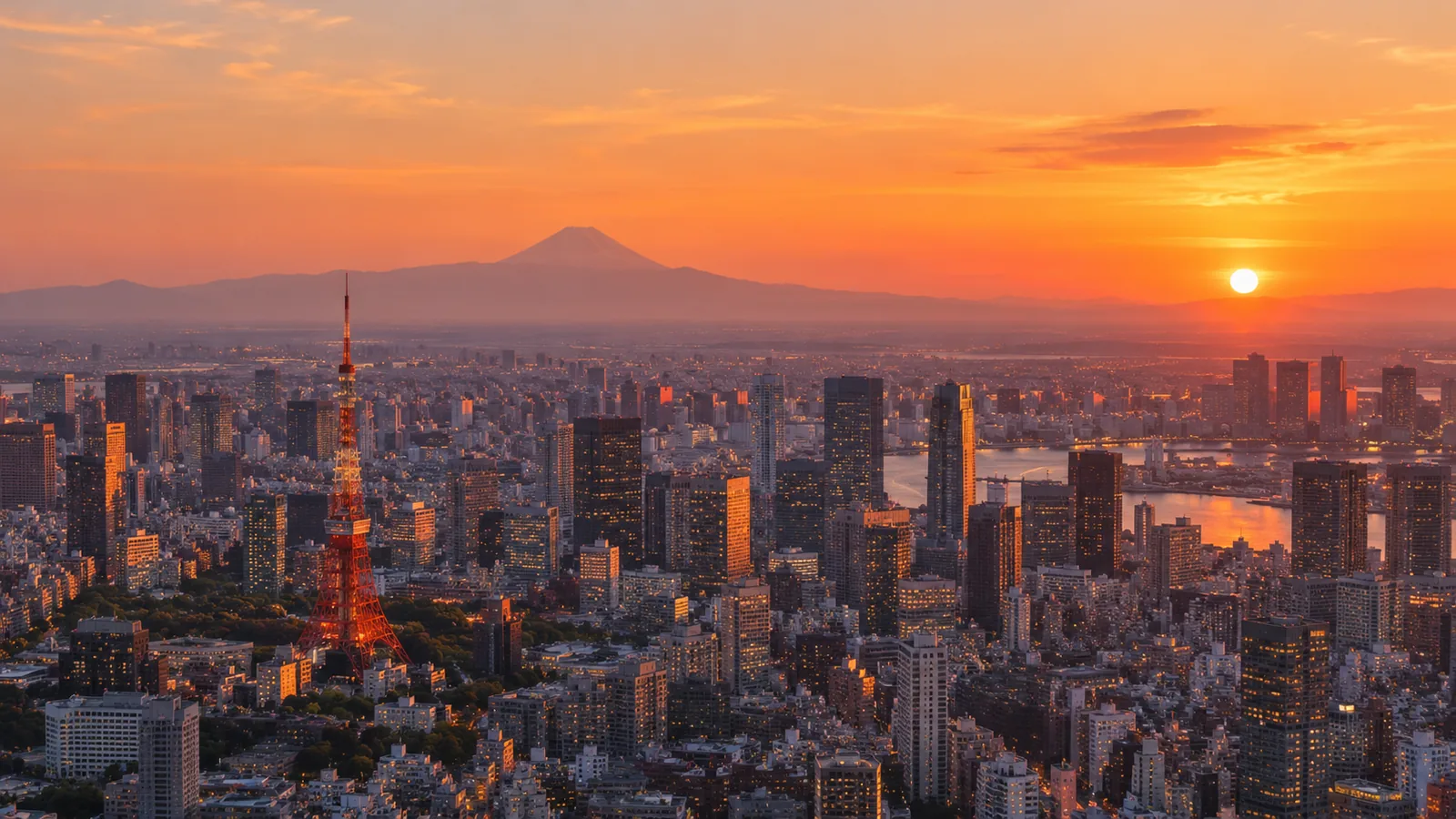
By day you read the city like a map: the Sumida River curving below, Asakusa and Senso-ji close by, the towers of Shinjuku and, on clear days, the mountains beyond. At night the details fade and the view becomes an ocean of lights, with Tokyo Tower glowing in the distance. Reflections on the glass are stronger after dark; for photos, get close to the window and shade the lens with your hand.
The flagship ticket has two timed versions for this: the Night View option includes one alcoholic drink at SKYTREE CAFE 350, and the Morning View option a soft drink and a snack.
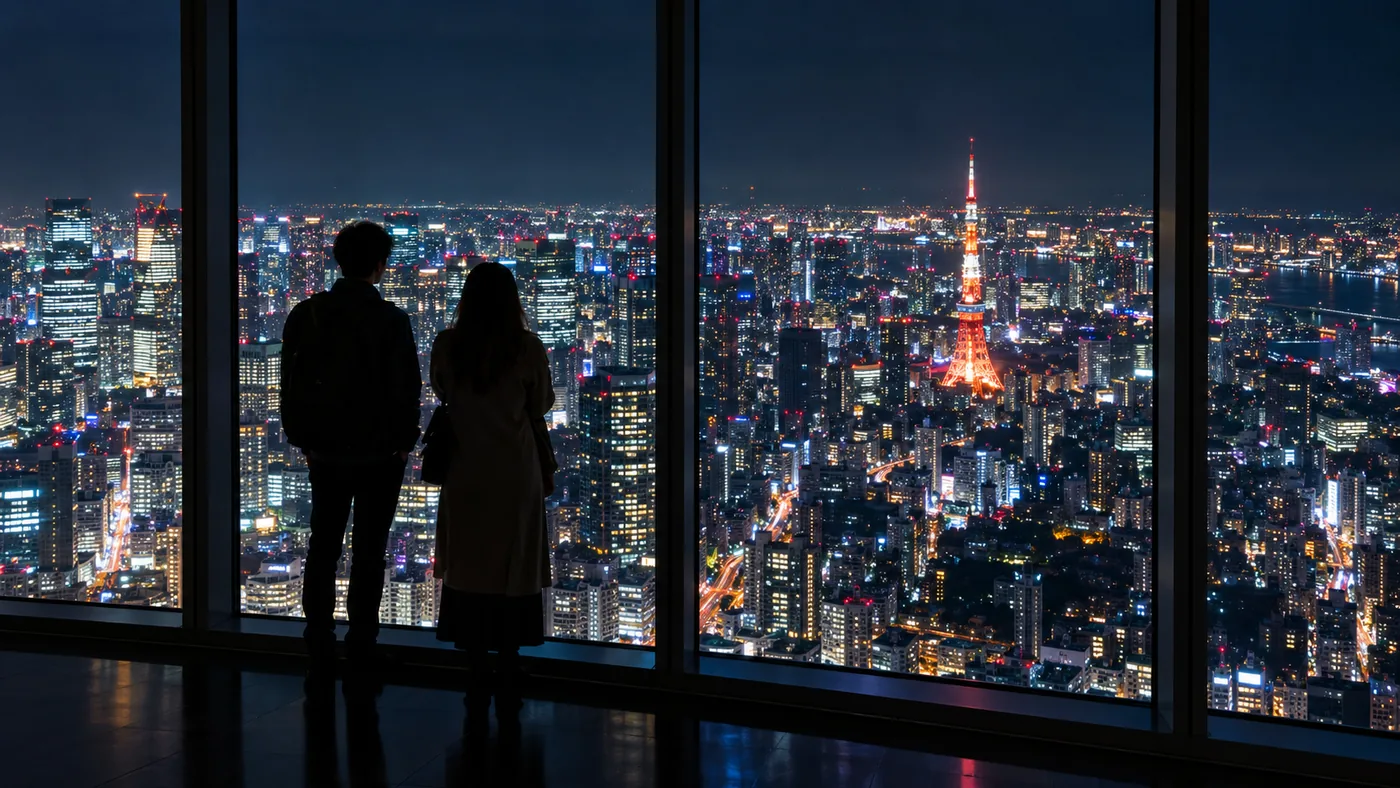
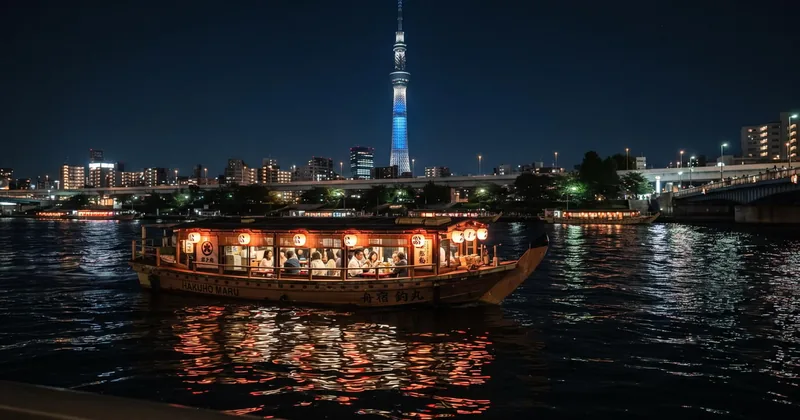
Want the dusk view and a proper evening after it? This small tour takes you to the 350 m deck at dusk, then on a guided walk to a neighbourhood izakaya. It meets at Oshiage station square and lasts 2.5 hours. Rated 5.0, but from just 1 review so far; full refund up to 24 hours ahead.
Explore the dusk and izakaya walkWhen should you book a sunset slot at Tokyo Skytree?
Book an entry time 30 to 60 minutes before sunset. Sunset in Tokyo comes at about 16:30 in December and about 19:00 in late June, so the right slot moves through the year.
Reviewers agree. One booked the 18:00 slot in September to watch daylight turn to night; another advises checking the sunset time and booking a little earlier than that. The bag check, the queue and the ride up take a few minutes, so a slot right at sunset leaves you little margin. On a clear weekend evening these are the first slots to sell out.
Once up there is no time limit, so stay until the lights are fully on. Allow extra time for the elevator down, as everyone who came for the sunset tends to leave together.
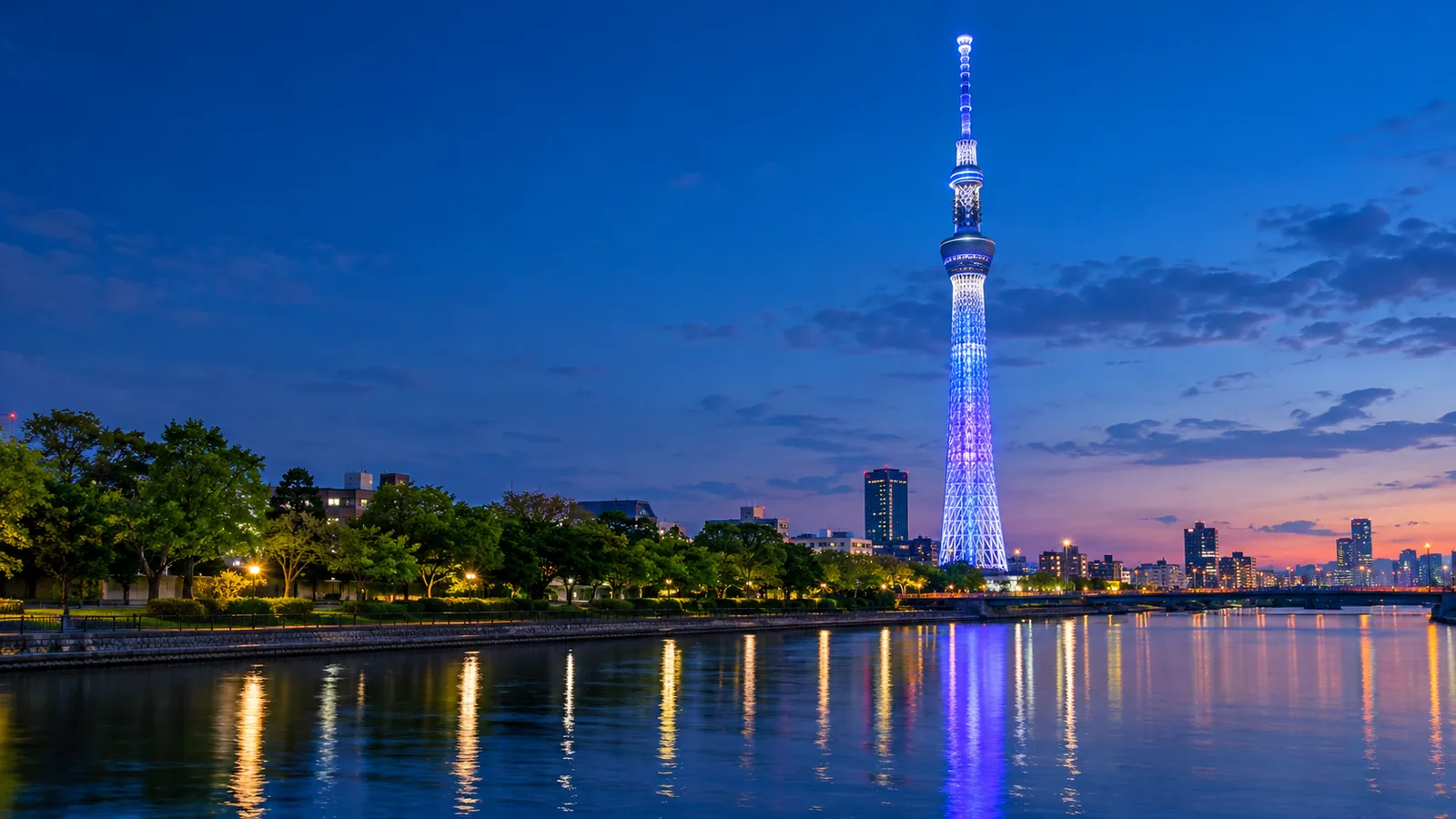
Book the slot before sunset while it is still there: the flagship Skytree ticket, deck or both decks, with a full refund if you cancel at least 31 days ahead.
Check dates for the Skytree deck ticketCan you see Mount Fuji from Skytree?
Yes, on clear days, most often in the cold, dry months from December to February and early in the morning. It is about 100 km away to the west-southwest, and haze or cloud hides it on many days, so it is never guaranteed.
- Best months: December to February, when the air is dry and clear.
- Best hour: early morning, before the haze builds. On winter evenings Fuji can also stand out dark against the sunset.
- Where to look: the windows facing west-southwest, beyond the towers of Shinjuku.
- Diamond Fuji: around early February and early November the sun sets right on the summit as seen from Skytree; the tower held a viewing event around 17:00 on 3 February 2026.
- Summer: possible but less likely. One reviewer of the flagship ticket saw Fuji on a clear day in June.
When is Tokyo Skytree least crowded?
Weekday mornings, especially at opening time, outside Japanese holiday periods. Weekends, holiday afternoons and clear evenings around sunset are the busiest.
The busiest periods are New Year, spring break, Golden Week from late April to early May and long holiday weekends; mid-August, when many people in Japan take their Obon holidays, is usually busy too. The official crowd forecast shows the expected level for each day and is worth a look before you book.
Busy does not mean chaotic. Reviewers describe a crowded but well-organised visit, with signs showing the approximate waiting time for the elevators. If you want the evening anyway, the Asakusa night walk pairs Senso-ji with both decks and a guide who knows the flow.
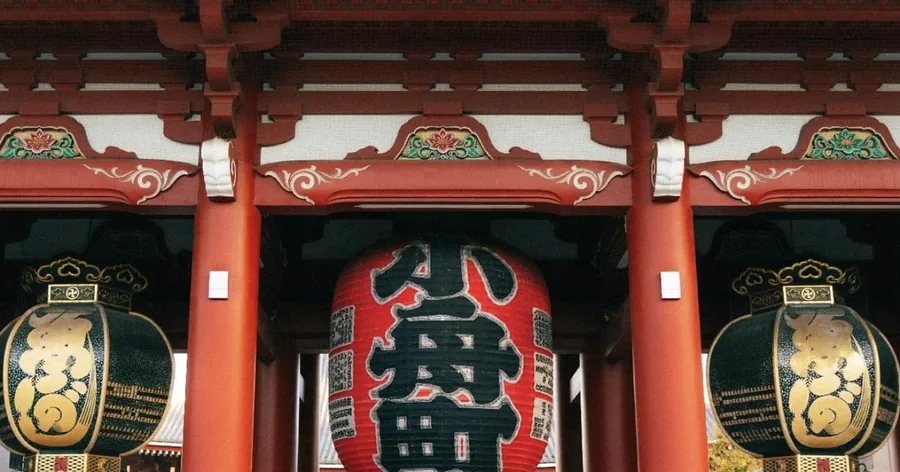
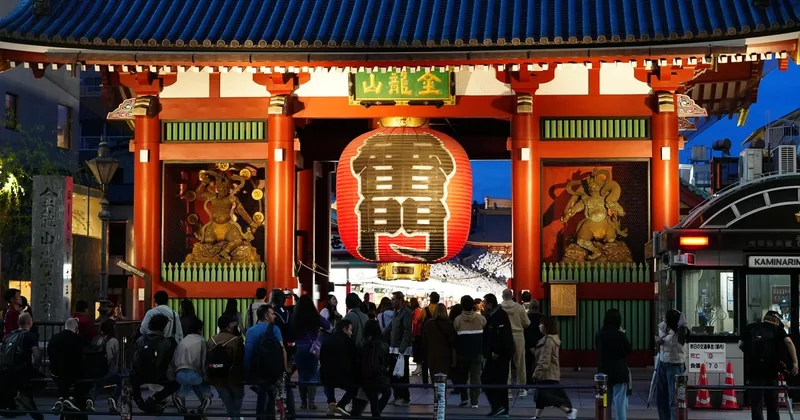
The Asakusa Night Tour starts with Senso-ji and the Sumida River and an omikuji fortune, then takes the two-minute train to the tower and both decks with your guide. Rated 5.0 from 6 reviews; you pay the short train fare on the day, and get a full refund up to 24 hours ahead.
Explore the Asakusa night walkWhat is the best month to go to Tokyo?
October to November and March to April for comfortable weather, and December to February for the clearest views from the tower. June to mid-July is usually the rainy season, and high summer is hot, humid and often hazy.
- March and April: mild days and cherry blossom, but spring break and Golden Week bring crowds.
- May: pleasant, and quieter once Golden Week is over.
- June to mid-July: the rainy season, with many grey days; the decks are indoors, but cloud can hide the view.
- July to September: hot and humid, with hazy views; typhoons are possible from August to October.
- October and November: settled, clear autumn days, and Diamond Fuji in early November.
- December to February: cold, dry and the clearest time of year, the best for Mount Fuji; New Year itself is very busy.
What's the cheapest month to visit Tokyo?
No single month is the lowest-priced for Skytree tickets. Since April 2026 each day has its own price, and quiet weekdays outside holiday periods tend to be the lower-priced days, in any month.
The pattern to look for is simple: a weekday that is not a Japanese holiday and falls outside New Year, spring break, Golden Week and mid-August. Those days are usually quieter as well, so you get a lower-priced ticket and more space at the windows. Winter weekdays add the clearest air of the year.
Booking online rather than at the counter on the day also keeps the cost down, as the counter adds a service fee to every ticket. The details are in where to buy Skytree tickets.
Crossing the city that day? The Skytree ticket with a 24-hour subway pass covers every Tokyo Metro and Toei line; book by the day before, and note that it cannot be refunded.
Check dates for the ticket with a subway passIs Tokyo Skytree worth it on a rainy or windy day?
In light rain, yes, if the cloud is high: the decks are fully enclosed. In low cloud you may see very little, and that is not a reason for a refund; in strong wind the elevators can stop and the decks close at short notice.
There is no published wind speed at which the tower closes. On 21 September 2026, for example, the decks closed from 17:00 as Typhoon No. 25 brought strong winds, and refunds were issued. Cloud is different: the official FAQ is clear that poor visibility does not qualify. Watch the cloud forecast, not just the chance of rain.
If the weather is uncertain, keep some flexibility: the ticket with a subway pass can be booked until 23:59 Japan time the day before, so you can wait for the forecast (it cannot be refunded), and the guided tours refund in full up to 24 hours ahead. On a wet day, Tokyo Solamachi and Sumida Aquarium at the foot of the tower make a good plan B; see eating and things to do at Skytree.
Frequently asked questions
When is Diamond Fuji at Tokyo Skytree?
Around early February and early November, when the sun sets right on the summit of Mount Fuji as seen from the tower. It needs a clear horizon, so it is never guaranteed on a given day.
What time does Tokyo Skytree open?
At 10:00 on weekdays and from 9:00 at weekends and on holidays, closing at 22:00. Last entry is always one hour before closing, and hours can change on special days, so check the official site.
Does Tokyo Skytree close for typhoons?
It can. Strong wind can stop the elevators and close the decks at short notice, as happened on 21 September 2026. Typhoons are most likely from August to October.
How early should I arrive for my Skytree time slot?
About 10 minutes before your entry time, to allow for the bag check on the 4th floor. For a sunset visit, book a slot 30 to 60 minutes before sunset.
Ready to book
Choose your ticket
Check your date and the live price on GetYourGuide; the refund terms are shown on each option.
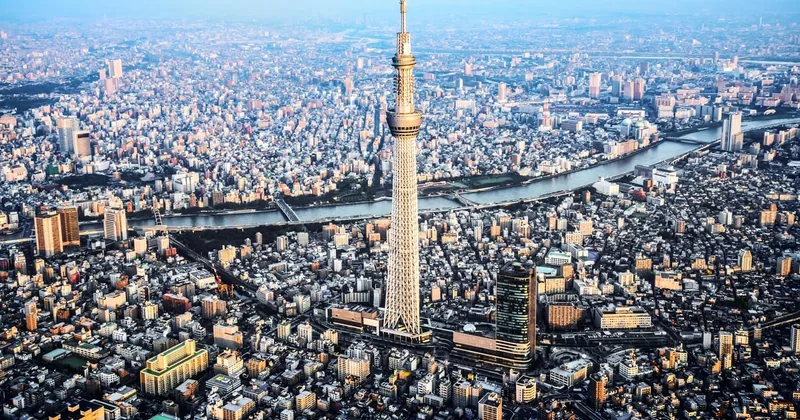
Tokyo Skytree Observation Deck Ticket
- Timed entry to the Tembo Deck (350 m) and its glass floor
- The Tembo Galleria (450 m) if you choose that option
- Night option: one drink at SKYTREE CAFE 350; morning option: a soft drink and a snack
Asakusa Night Walk with Skytree Tickets
Senso-ji's story, a two-minute train ride, then the decks with a guide
Skytree at Dusk & Izakaya Night Walk
The 350 m deck at dusk, then a neighbourhood izakaya with a guide